
 By
By 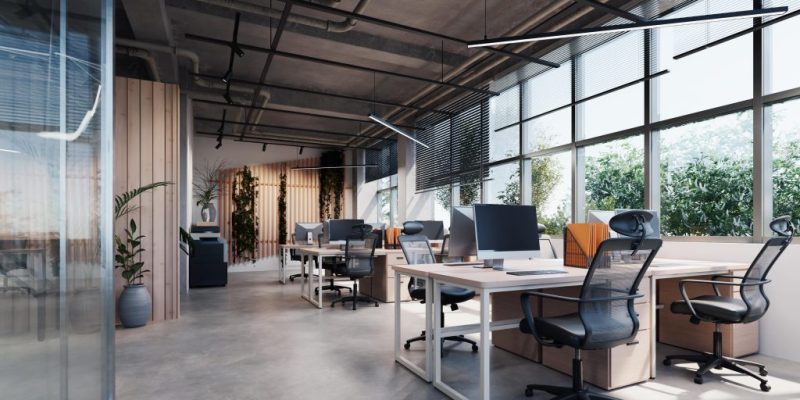
You can walk into two offices in Kuala Lumpur that look equally “modern” on the surface, clean desks, nice lighting, maybe even similar furniture, and yet one feels energising while the other feels draining within minutes.
That difference isn’t accidental.
Productivity in an office isn’t just about having desks and meeting rooms. It’s shaped by how the space supports focus, movement, collaboration, and even how people feel throughout the day. In a fast-paced city like Kuala Lumpur, where long working hours and hybrid setups are common, a good office design can have a real impact on performance.
Here’s a closer look at why some office spaces feel productive, while others quietly work against you.
- Layout that supports focus (not just aesthetics).
A common mistake in office design is prioritising how a space looks over how it functions.
Open-plan offices, for example, can look sleek and modern. But without proper zoning, they often create:
- Constant noise
- Visual distractions
- Lack of privacy
Productive office designs don’t necessarily avoid open layouts, they refine them.
You’ll often see:
- Quiet zones for focused work
- Collaborative areas for discussions
- Meeting rooms are placed away from the main workstations
It’s about giving people the right environment for the task at hand, not forcing everything into one shared space.
2. Lighting that works with people, not against them.
Lighting plays a bigger role than most people realise.
Offices that rely heavily on harsh artificial lighting tend to feel tiring after a few hours. On the other hand, spaces that maximise natural light often feel more energising and comfortable.
In productive office environments, you’ll usually find:
- Workstations positioned near windows
- Soft, layered lighting instead of one harsh source
- Adjustable task lighting for individual desks
Good lighting reduces eye strain and helps maintain focus throughout the day.
3. Thoughtful acoustics (because noise adds up).
Noise is one of the biggest hidden productivity killers.
In poorly designed offices, you might not notice it immediately. But over time, constant background chatter, phone calls, and movement start to affect concentration.
Productive offices manage sound intentionally by using:
- Acoustic panels or soft materials
- Carpeted areas to absorb noise
- Separate zones for calls and meetings
It’s not about making the office silent, but about controlling noise so it doesn’t become overwhelming.
4. Furniture that supports comfort and movement.
Sitting for long hours in uncomfortable furniture can drain energy faster than you think.
Offices that feel productive often invest in:
- Ergonomic chairs
- Adjustable desks
- Flexible seating options
But beyond comfort, movement matters too.
Spaces that encourage people to:
- Shift between sitting and standing
- Move to different areas for different tasks
- Take short breaks away from their desks
…tend to feel more dynamic and less mentally exhausting.
5. Clear organisation reduces mental clutter.
A cluttered environment often leads to a cluttered mind.
In offices that feel productive, there’s usually a strong sense of order:
- Storage is built-in and easy to access
- Desks aren’t overloaded with items
- Shared spaces are kept clean and functional
This doesn’t mean the space feels sterile. It just means everything has a place.
When people don’t have to constantly manage visual clutter, it’s easier to focus on actual work.
6. Spaces designed for both collaboration and privacy.
Not all work is collaborative, and not all work is done alone.
Offices that strike the right balance usually include:
- Open areas for teamwork
- Private rooms for focused tasks or calls
- Informal breakout spaces for quick discussions
This flexibility allows people to choose how and where they work, depending on what they need at the moment.
It also reduces friction. No one has to struggle to find the “right” place to get something done.
7. Natural elements that reduce stress.
Even in a dense urban setting like Kuala Lumpur, bringing in elements of nature can make a big difference.
Productive offices often include:
- Indoor plants
- Natural materials like wood or stone
- Views of outdoor greenery where possible
These elements help reduce stress and create a more balanced environment.
The space feels less rigid and more comfortable to spend long hours in.
8. A layout that supports real workflows.
Sometimes an office looks great but feels frustrating to use.
This usually happens when the layout doesn’t match how people actually work.
For example:
- Meeting rooms are too far from work areas
- Shared equipment is hard to access
- Teams that collaborate often are placed too far apart
Productive offices are designed around workflows, not just visual symmetry.
They consider:
- How teams interact
- How often meetings happen
- What tools are used daily
When everything flows naturally, work feels smoother and faster.
9. Flexibility for changing work styles.
Work has changed a lot in recent years, especially with hybrid setups becoming more common.
Offices that feel productive today are usually designed with flexibility in mind:
- Hot-desking options
- Multi-purpose rooms
- Spaces that can adapt over time
This prevents the office from becoming outdated or restrictive.
Instead of locking people into one way of working, the space evolves with them.
Why Some Offices Still Don’t Work
Even with modern design trends, some offices still feel unproductive because they:
- Prioritise appearance over usability
- Ignore noise and lighting issues
- Lack proper zoning
- Don’t reflect how teams actually work
These issues might seem small individually, but together they create friction throughout the day.
And that friction adds up.
Final Thoughts
A productive office isn’t about expensive furniture or trendy design. It’s about how well the space supports the people using it.
In a city like Kuala Lumpur, where work environments are evolving quickly, the most effective offices are the ones that balance function, comfort, and flexibility. When layout, lighting, acoustics, and workflow all come together, the difference is immediately noticeable. You don’t just see it. You feel it the moment you walk in.








Comments