
 By
By 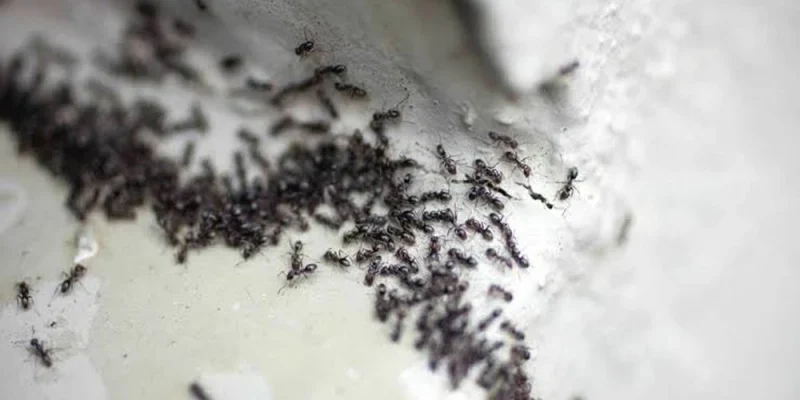
Busy commercial buildings can make pest problems harder to spot. Employees move through rooms, deliveries come and go, food is prepared or stored, and supplies shift from one place to another. Those daily activities can give pests access to food, water, shelter, or openings into the building.
A sighting in a busy building also does not always show where the problem started. An insect near a break room could have entered through a loading area, and rodent activity in a storage room could trace back to an opening on the exterior. Businesses that work with Palisade Pest can follow those connections instead of treating each sighting as an isolated event.
Loading Areas Give Pests Easy Access
Loading docks and service entrances connect the building directly to the outside. Doors open often, deliveries bring in new materials, and pallets or containers can give pests a place to hide. These points deserve regular attention because they create several opportunities for pests to get inside.
- Open dock doors give flying insects and rodents a direct route indoors.
- Pallets and shipping materials can carry insects or shelter rodents before they move farther inside.
- Trash and recycling areas give off food odors that draw flies, ants, and rodents.
- Damaged door seals leave gaps that stay open even when the doors are closed.
- Stored materials against exterior walls make activity and perimeter checks harder to see.
Food Areas Create Their Own Risks
Restaurants, break rooms, cafeterias, and food storage areas can draw pests even when employees clean regularly. Small amounts of residue, spills, grease, or moisture can be enough to keep insects returning. The way a business handles food also affects what a technician inspects, since the spaces beneath equipment, around sinks, behind appliances, and near waste containers are harder to reach during normal cleaning. A few signs point to activity in these areas.
- Ant trails that follow walls, counters, or plumbing
- Flies that keep gathering near drains or waste areas
- Cockroaches around warm, dark equipment spaces
- Rodent droppings near food storage or behind appliances
- Moisture beneath sinks or around refrigeration equipment
Storage Rooms Can Hide Activity
Storage areas are easy to overlook because employees spend less time there. Boxes, shelving, unused equipment, and stored supplies create sheltered spaces where pests stay out of sight. A crowded storage room also makes inspection harder, since pests can move along walls behind stacked materials or use gaps around pipes and utility lines. Keeping a clear space along walls and floors makes signs easier to find and gives a technician better access.
Incoming Goods Can Bring Pests With Them
Some pests arrive inside the products a business receives. Stored-product insects such as beetles and moths can travel in bags of flour, grain, and other dry goods, or in the packaging around them, and spread once the items reach a shelf. Checking deliveries before they move into storage helps catch an early problem, and rotating older stock so it does not stay in place for months keeps one infested container from spreading through the inventory.
Restrooms and Utility Areas Add Moisture
Pests need more than food. Water can keep an area attractive even where there is no obvious food source, and restrooms, utility rooms, janitorial closets, and the spaces around plumbing supply it. Leaks should be handled promptly, especially where water collects beneath sinks, around pipes, or near floor drains. Steady dampness can also point to a plumbing or drainage problem that needs attention beyond pest treatment.
The Exterior Can Explain an Indoor Problem
A building can look clean inside while an outside issue keeps letting pests through. Vegetation against the walls, standing water, gaps around utility lines, and damaged screens all create access points that go unnoticed when attention stays indoors. Checking the perimeter often explains an indoor sighting, because a problem can begin outside and only show up once the pests have already reached an occupied room.
A busy building has many moving parts, and the same activity that keeps it running can give pests food, shelter, moisture, and access. Checking the areas around the building can help trace where pest activity starts and what keeps drawing pests back.







Comments