
 By
By 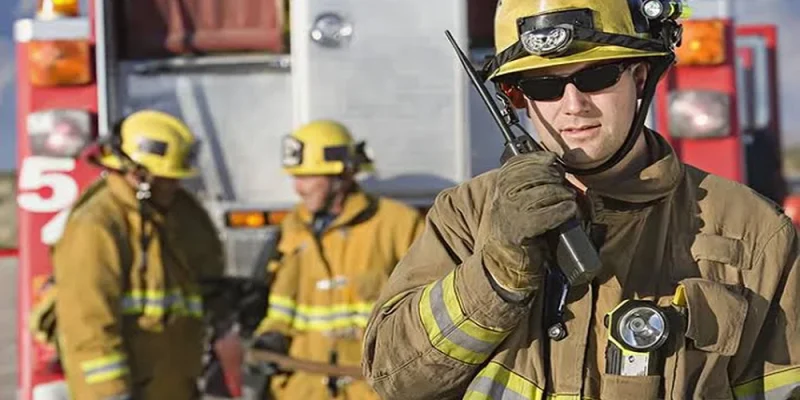
Introduction
When a fire alarm or sprinkler system goes offline, it’s not just people at risk, it’s everything inside the building too. Inventory, equipment, and the structure itself all become more vulnerable the moment automated fire protection stops working. Fire watch security exists to fill exactly that gap, keeping a human eye on things until the system is back up and running normally again.
When a property’s fire protection system is temporarily unavailable, reliable fire watch security Spokane can provide an important layer of protection for both the building and its contents. Trained guards can patrol vulnerable areas, identify potential ignition sources, and report hazards before they develop into serious incidents. This added oversight is especially valuable for facilities containing expensive equipment, large inventories, or other assets that could suffer significant damage during an unexpected fire.
Standing In for the System That’s Down
Automated detection systems work around the clock without needing a break, which is exactly what makes their absence so risky. Fire watch guards step into that role, actively patrolling and watching for smoke, unusual heat, or anything else that a sensor would normally catch. Unlike a system that can quietly fail without anyone noticing, a trained guard is there specifically to notice.
Catching Problems Before They Become Losses
The whole value of fire watch comes from early detection. A guard who spots smoldering material or an overheating piece of equipment during a routine patrol can act before it turns into a fire that damages inventory, machinery, or the building itself. That early catch is often the difference between a minor incident and a significant financial loss.
Protecting High-Value and Sensitive Areas Specifically
In warehouses, manufacturing plants, and similar facilities, certain areas carry more risk or more value than others, think storage racks packed with inventory, server rooms, or mechanical spaces. A well-run fire watch plan pays extra attention to these zones specifically, rather than treating every square foot of a property as equally important during patrols.
Keeping Business Operations Running
Beyond the physical assets, a fire watch also protects something less tangible but just as valuable, the ability to keep operating. A serious fire can shut down a business for weeks or longer, and the lost revenue and repair costs often outweigh what proper fire watch coverage would have cost during the outage. Preventing that kind of disruption is part of what makes the service worth it.
Reducing Liability and Insurance Risk
Beyond the direct cost of damaged property, an unprotected outage can also expose a business to liability if a fire causes harm to employees, customers, or neighboring properties. Many insurance policies factor fire watch compliance into coverage terms, so maintaining proper coverage during an outage can also help protect a business from claims being denied or complicated later.
Conclusion
Fire watch security is really about providing the same kind of protection an automated system offers, just through a trained person instead of a sensor, for however long the outage lasts. From catching hazards early to keeping an eye on the areas that matter most, that human presence helps prevent the kind of losses that can hit a business hard. When a system goes down, treating fire watch as a real safeguard rather than a formality is what actually keeps assets protected.










Comments